
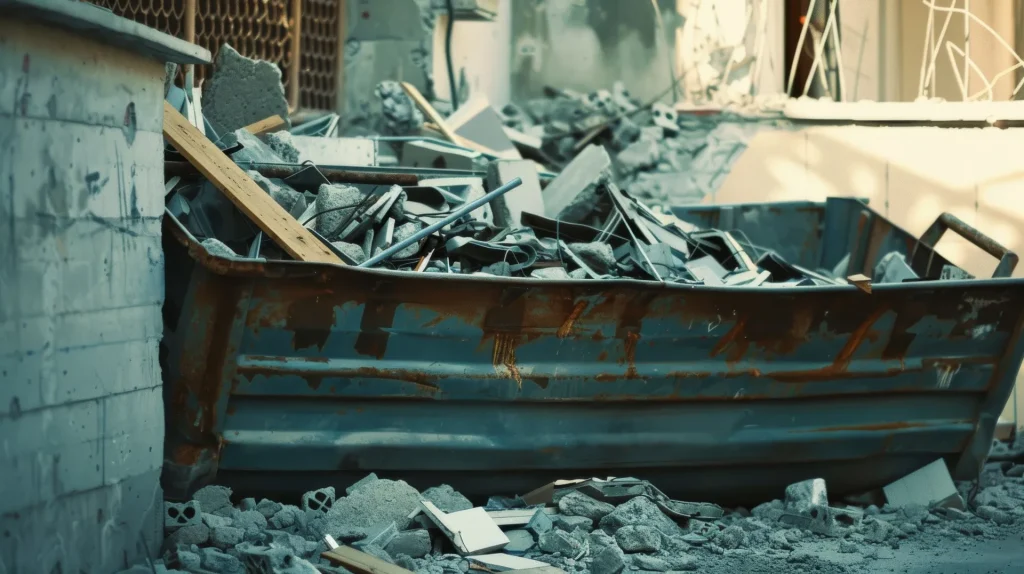
Every building and demolition job produces metal — steel framing offcuts, rebar ends, copper pipe and cable, aluminium window frames, ducting, roofing scrap. On a busy site it’s easy for all of that to end up in a mixed-waste skip and get carted off to landfill. That’s a missed opportunity, and increasingly a compliance headache too.
The good news is that metal is the most recoverable material on almost any construction or demolition site. With a bit of planning, builders and demolition contractors in Melbourne can divert that metal cleanly, cut down on general waste going to landfill, and turn a disposal problem into recovered value. This guide walks through what’s worth recovering, how to set up on-site segregation, and how collection works.
Why segregating metal on-site is worth it
When metal gets mixed in with general construction and demolition (C&D) waste, two things happen. First, it’s far harder to recover once it’s tangled up with timber, plasterboard and rubble. Second, you’re paying to send a recyclable, valuable material to landfill when a scrap recycler would collect it — and pay you for the larger volumes — instead.
Keeping metal separate from the start changes the maths. A dedicated metal bin or cage on site means the material stays clean, stays recoverable, and doesn’t clog your general waste stream. For builders juggling tight margins and waste-management obligations, that’s a practical win on both cost and compliance.
What construction and demolition metals can be recycled?
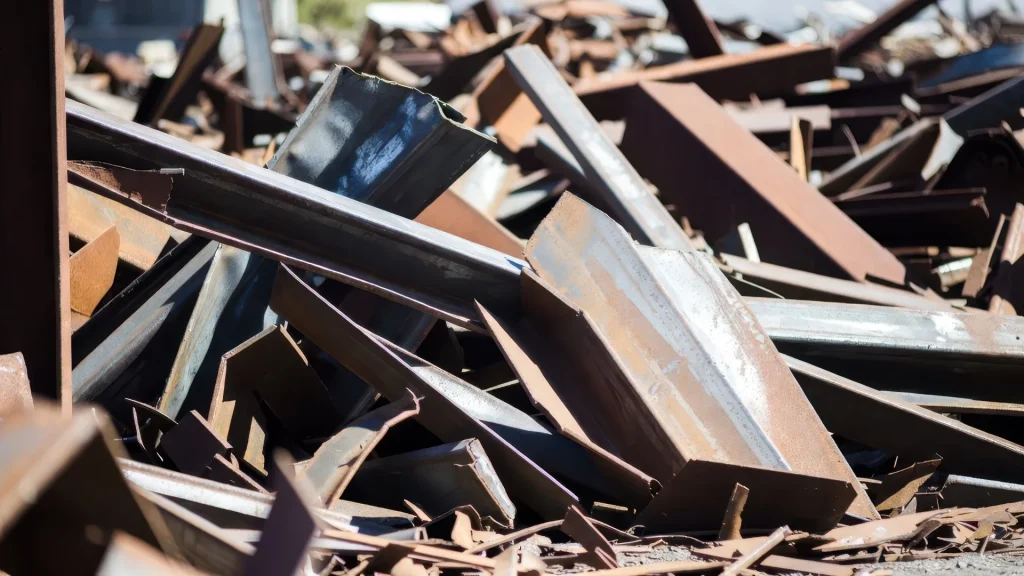
Most metals generated on-site are recyclable, and they generally split into two groups: ferrous (magnetic, iron-based) and non-ferrous (non-magnetic, no iron). Here’s what typically comes off a site:
Ferrous metals
- Structural steel — beams, columns, framing and fabrication offcuts.
- Reinforcing steel (rebar) — offcuts and ends from concrete work.
- Steel roofing and cladding — sheeting, purlins and flashings.
- Cast iron — old pipework, fittings and fixtures from demolition.
Non-ferrous metals
- Copper — electrical cable, wiring offcuts and plumbing pipe (one of the most valuable recoverable metals on any site).
- Aluminium — window and door frames, extrusion drops, some cladding and ducting.
- Brass — fittings, valves and fixtures, often from plumbing and demolition.
- Stainless steel — benches, balustrades and commercial fit-out components.
New construction and demolition produce a slightly different mix. New builds tend to generate clean fabrication offcuts — framing drops, surplus cable and pipe, rebar ends — which are in excellent condition. Demolition throws up a broader, often dirtier mix, but there’s usually a lot more of it, including salvageable stainless, structural steel and copper.
Setting up on-site metal segregation
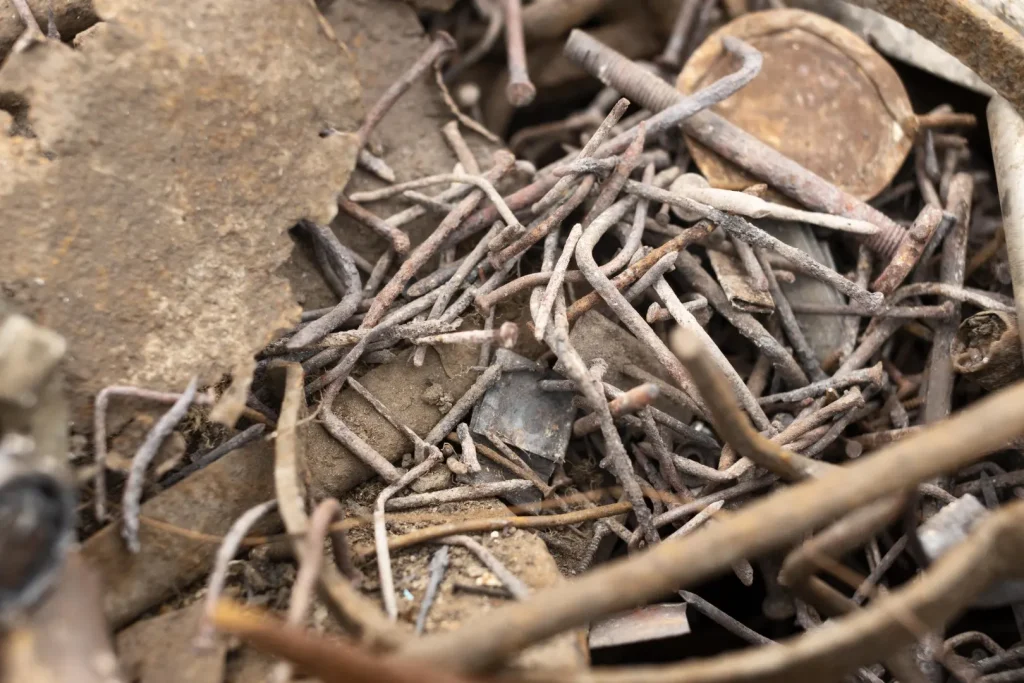
You don’t need a complicated system — you need a consistent one that the whole crew follows. A few practical steps:
- Put a dedicated metal bin or cage on site early. Separate it clearly from the general C&D skip so metal doesn’t default into mixed waste.
- Separate metal before demolition, not after. A quick salvage walk-through before destructive work starts can identify structural steel, stainless fittings, copper and other recoverable material worth pulling out cleanly.
- Keep copper and cable aside. Copper is high-value and easy to lose in a mixed pile. A dedicated container for cable offcuts and pipe captures it.
- Label bins and brief the crew. Clear labelling and a two-minute toolbox talk prevents contamination. One wrong load can hold up a collection.
- Plan for the volume. For larger builds or demolitions, a bigger bin and scheduled collections keep the site clear without metal piling up.
Keeping metal streams reasonably clean — not letting concrete, timber or general rubbish contaminate the metal bin — makes the whole process smoother when it’s collected and processed.
How collection works for builders and demolition sites
Once metal is segregated, a scrap metal recycler can collect it directly from your site. For construction and demolition work, this usually means a recycler supplies a bin or cage, you fill it as the job progresses, and they collect it on a schedule that suits your site’s timeline — around your bump-out or between stages.
This is different from a general waste company that happens to take metal. A specialist metals recycler like Manhari handles the scrap metal collection, sorting, grading, processing and export of the material, which means larger volumes of recovered metal are recognised for what they’re worth rather than lumped in as landfill waste. Manhari works with industrial metal recyclers and industrial site clean-ups as well as builders and demolition contractors, and supplies free scrap metal bins in several sizes to suit different site volumes across Melbourne and Victoria.
Keeping metal out of landfill — and staying compliant
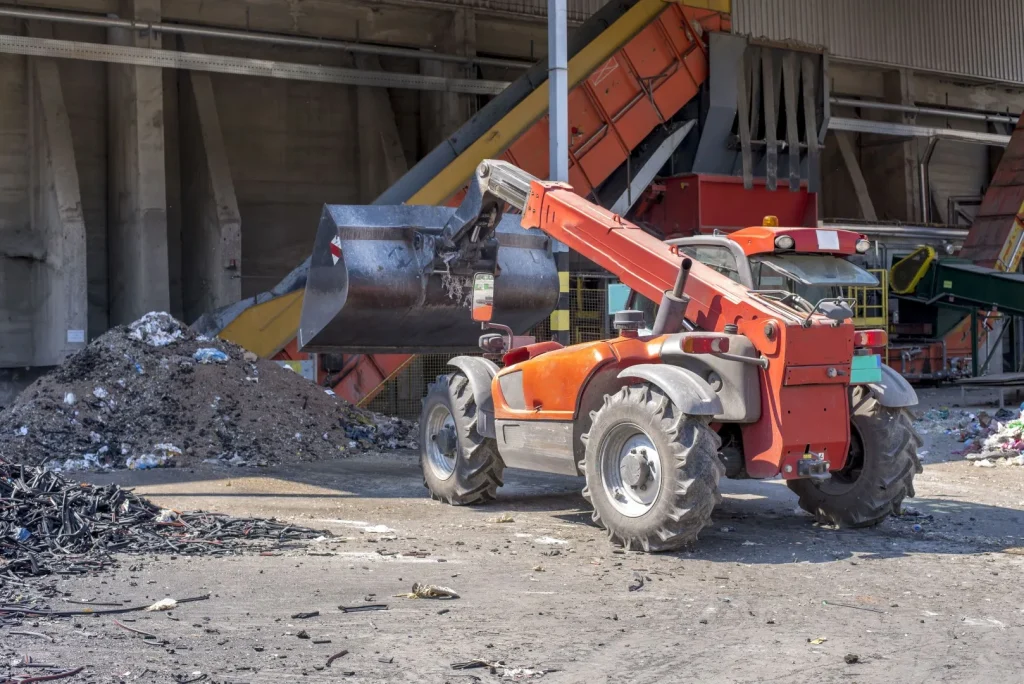
Diverting metal from landfill isn’t just good practice — it lines up with the waste-management expectations placed on construction and demolition projects in Victoria. Many Melbourne council permits require a waste management plan that accounts for how recoverable materials, including metal, are handled. Segregating metal on-site and sending it to a licensed recycler makes that part of the plan simple to demonstrate.
Separating metal early also keeps your site tidier and safer. Loose steel offcuts, protruding rebar and metal edges in a cluttered skip are a hazard; a dedicated, well-managed metal bin reduces that risk while keeping the material recoverable. If it’s easier to bring smaller loads in, Manhari’s metal recycling yard in Tottenham accepts drop-offs too, and there are regular collection routes through areas like Laverton and the western suburbs where a lot of Melbourne’s construction activity sits.
The bottom line
Metal is the most recoverable material on a construction or demolition site, but only if it’s kept separate from the general waste stream. A dedicated bin, a quick pre-demolition salvage check, and a habit of setting copper aside are all it takes to turn site metal into recovered value instead of landfill.
If you’re running builds or demolition work across Melbourne or Victoria and want a straightforward way to handle site metal, Manhari Recycling can supply bins and arrange collection to suit your project. Talk to the team about setting up on-site collection or ordering a bin for your next job.
Frequently asked questions
Yes. Reinforcing steel (rebar) offcuts and structural steel drops are fully recyclable and are among the most common metals recovered on construction sites. Keeping them in a dedicated metal bin rather than the general skip means they can be collected and recycled cleanly.
Yes. Specialist scrap metal recyclers collect directly from construction and demolition sites, usually by supplying a bin or cage and scheduling pickups around the job. Manhari Recycling offers on-site collection and free bin supply across Melbourne and regional Victoria.
Copper is the most valuable common metal on most sites, followed by brass, aluminium and stainless steel, with structural steel and rebar recoverable in large volumes. Copper cable and pipe are especially worth keeping separate because they’re easy to lose in mixed waste.
Set up a clearly labelled metal bin or cage separate from your general waste skip, keep copper and cable in their own container, and brief the crew so it’s followed consistently. Separating metal before demolition rather than after makes recovery much cleaner.
Yes. Diverting metal to a licensed recycler supports the waste management plans many Victorian council permits require for construction and demolition projects. It demonstrates that recoverable materials are being handled responsibly rather than sent to landfill.
A separate metal bin is better if you want to recover value and keep the material recyclable. Metal mixed into a general C&D skip is harder to recover and usually heads to landfill, whereas a dedicated metal bin keeps it clean and collectable by a scrap recycler.