
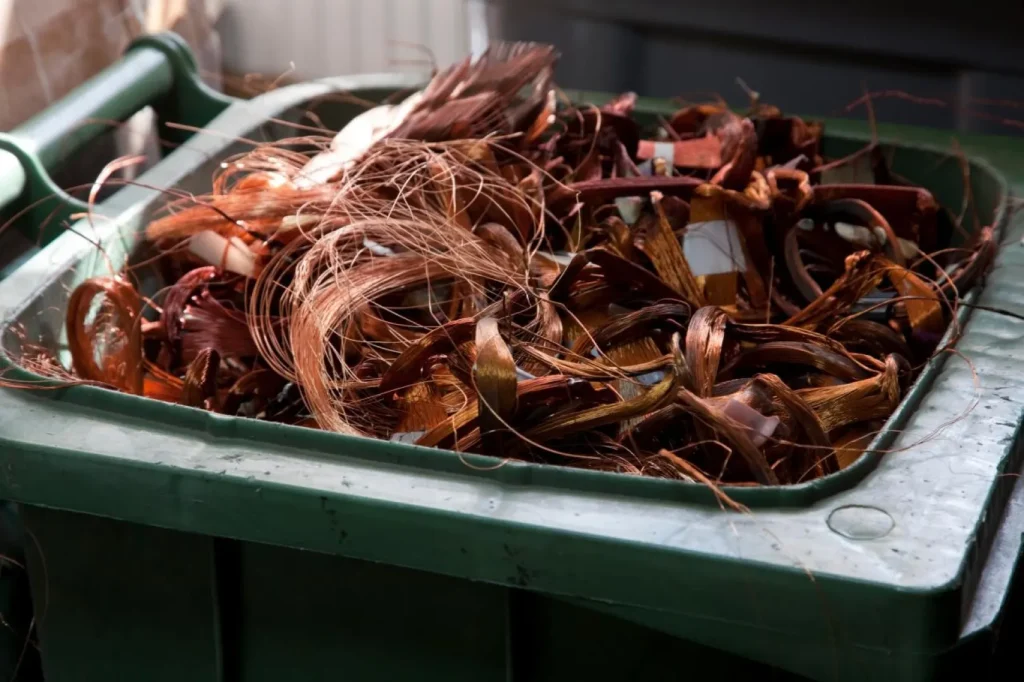
Copper is one of the most valuable materials you can pull out of a job, a renovation or a shed clean-out — but only if it’s recycled properly. Whether you’re a sparky stripping cable at the end of a fit-out, a plumber pulling out old pipe, or a homeowner clearing a garage, knowing how copper is graded and how to get it ready makes a real difference to how smoothly the recycling process goes.
This guide covers the main types of copper scrap, where it usually comes from, and the simple prep steps that help a recycler process your load faster. If you’re looking for straightforward copper recycling in Melbourne, this is the practical rundown — no jargon, no guesswork.
Why copper is worth recycling
Copper is a non-ferrous metal, which means it contains no iron and isn’t magnetic. That property alone makes it easy to separate from steel and other ferrous scrap. More importantly, copper can be melted down and reused again and again without losing its useful qualities, which is why there’s consistent demand for recycled copper from manufacturers here and overseas.
Recycling copper also keeps a genuinely useful material out of landfill. Every kilo that gets recovered and reprocessed is a kilo that doesn’t need to be mined and refined from raw ore — a process that’s far more energy-intensive. For tradies and businesses generating copper regularly, it also turns an offcut pile into something worth collecting rather than dumping.
The main copper scrap grades explained
Recyclers sort copper into grades based on how clean and pure it is. You don’t need to be an expert, but understanding the categories helps you sort at the source and get a cleaner result. These are the grades you’ll most commonly come across:
Bare bright copper
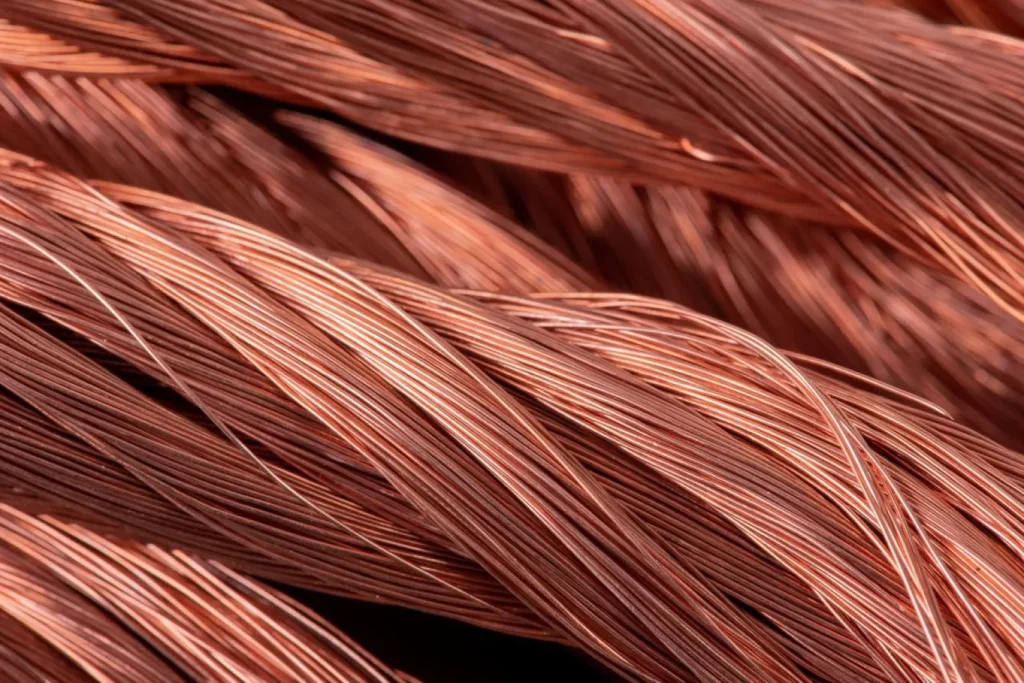
This is the cleanest, highest grade. It’s uncoated, unalloyed copper wire or busbar with a bright, shiny finish — no insulation, no corrosion, no solder. Think freshly stripped electrical wire that still looks like a new penny. Because it needs the least processing, it’s the most sought-after grade.
#1 copper
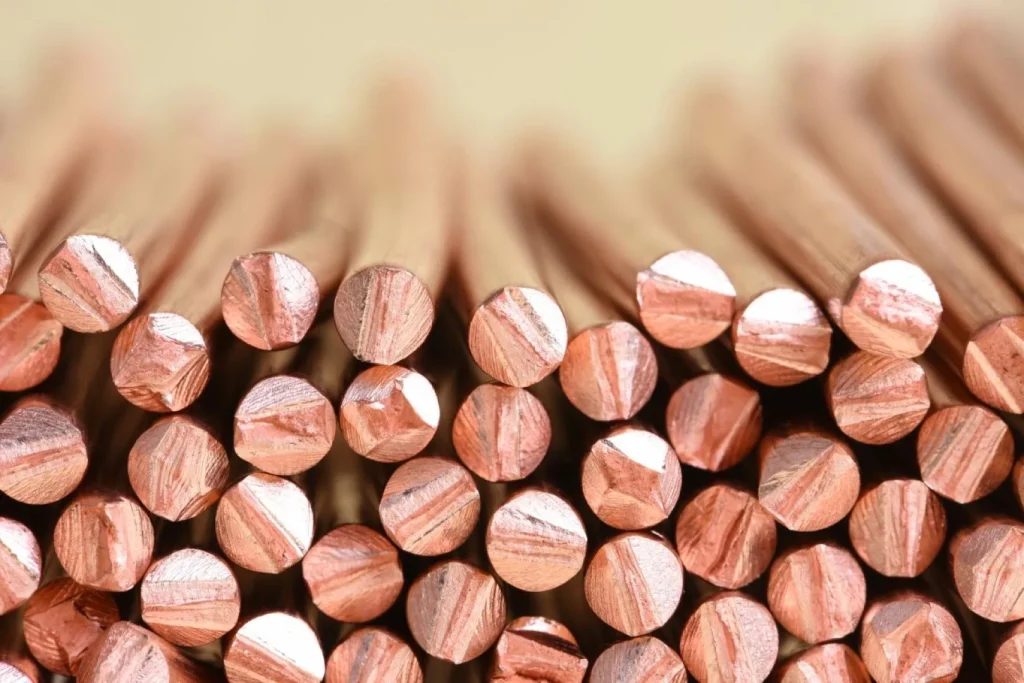
Clean copper tube, wire or busbar that may have a slightly duller or aged surface but is still free of coatings, paint and heavy oxidation. Copper pipe with the fittings removed and no solder joints usually falls into this category.
#2 copper
Copper that has some solder, paint, oxidation or brazing on it — still recyclable, just not as clean. Old pipe with solder still attached or wire with light contamination typically lands here.
Insulated copper wire
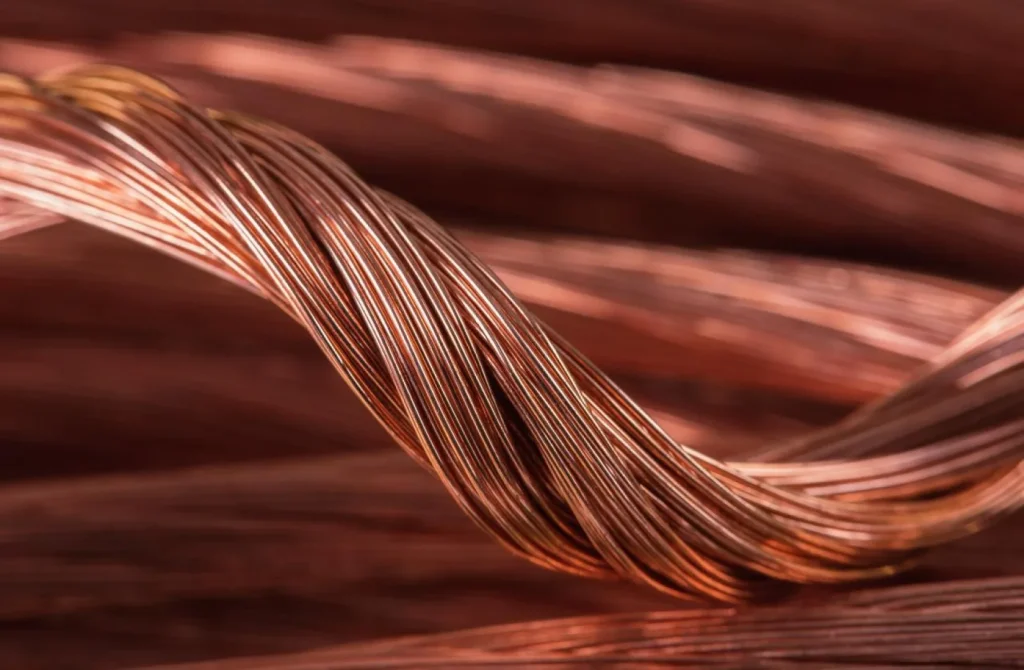
Cable and wire that still has its plastic or rubber coating. This is graded separately because the copper has to be recovered from inside the insulation. Heavier cable with a high proportion of copper inside is treated differently from thin, low-yield wire.
If you can keep these grades in separate piles rather than throwing everything into one bin, you make the recycler’s job easier and your load cleaner — which is always the goal.
Where copper scrap actually comes from
Copper turns up across almost every trade and plenty of households. Knowing where it hides means less of it ends up in the general waste bin. Common sources include:
- Electrical work — stripped wiring, cable offcuts, busbar and switchboard components from fit-outs, rewires and demolitions.
- Plumbing — old copper hot and cold water pipe, fittings and hot water systems being replaced.
- Air conditioning and refrigeration — copper coil and pipe from decommissioned units.
- Motors and transformers — copper windings recovered from end-of-life electrical equipment.
- Household — old immersion heaters, disused wiring, and copper from renovations or shed clean-outs.
For electricians, plumbers and air-con contractors especially, this adds up quickly across a week. Setting aside a dedicated container for copper on site is the easiest way to capture it all.
How to prepare copper for recycling
A bit of prep goes a long way. You don’t need special equipment — just a system. Here’s a simple approach:
- Separate copper from other metals. Use the magnet test: a magnet won’t stick to copper. Keep it away from steel, aluminium and brass so it doesn’t get downgraded as mixed metal.
- Sort by grade where you can. Keep bare bright, clean pipe and insulated wire in separate piles. Even a rough sort helps.
- Remove obvious contamination. Take off fittings, brackets and non-copper attachments where it’s practical and safe to do so.
- Decide whether to strip wire. Stripping insulated cable produces cleaner copper, but for large volumes it’s often not worth the labour — a recycler can process insulated wire as-is. For heavier cable, it can be worthwhile; for thin wire, usually not.
- Keep it dry and contained. Store copper undercover so it doesn’t oxidise more than it needs to, and use a bin or cage so it’s ready to collect.
A quick safety note: never burn insulation off cable to expose the copper. It releases toxic fumes, it’s illegal to do in the open in Victoria, and burnt copper is generally graded lower anyway. If you want clean copper, strip it mechanically or leave it insulated for the recycler.
Getting your copper collected in Melbourne and Victoria
Once your copper is sorted and contained, the last step is getting it to a recycler — or getting a recycler to come to you. For businesses and tradies producing regular volumes, scrap metal collection on-site is usually the easiest option. A recycler like Manhari can supply a bin or cage for your workshop or site and collect it when it’s full, so copper doesn’t pile up in the corner or get lost in general waste.
If you’d rather bring it in yourself, you can drop scrap at a metal recycling yard directly. Either way, having your copper already separated by grade means a faster, cleaner handover. Manhari services metropolitan Melbourne and regional Victoria — with regular routes through the western suburbs around Laverton, Melbourne’s north and regional centres like Bendigo — so copper generated on-site rarely has to travel far. You can see the full range of services or order a free bin to get set up.
The bottom line
Copper is one of the easiest wins in metal recycling — it’s valuable, endlessly reusable, and turns up everywhere from switchboards to hot water systems. The two things that matter most are keeping it separate from other metals and having a simple system to sort it by grade. Do that, and the recycling process is quick and clean.
If you’re generating copper regularly on a site or in a workshop across Melbourne or Victoria, it’s worth setting up proper collection rather than letting it accumulate. Manhari Recycling can supply free bins, arrange pickup and handle your copper alongside the rest of your scrap metal. Get in touch with the team to organise a collection or order a bin for your site.
Frequently asked questions
Yes. Insulated copper wire is fully recyclable and doesn’t need to be stripped first. Recyclers process cable to recover the copper inside, so you can hand it over as-is. Stripping heavier cable yourself can produce cleaner copper, but for thin wire it’s usually not worth the effort.
Bare bright copper is the cleanest grade of copper scrap — uncoated, unalloyed copper wire or busbar with a shiny, untarnished finish. It has no insulation, solder or corrosion, which is why it needs the least processing and is the most in-demand grade.
Copper has a distinctive reddish-brown or pinkish colour and is non-magnetic, so a magnet won’t stick to it. If a magnet grabs it, it’s a ferrous metal like steel. Brass, by contrast, is more yellow, and aluminium is silvery and very light.
Yes. Even small quantities of copper are worth recycling because it’s a high-value, fully recyclable material. Households clearing out old wiring or plumbing, and tradies with a week’s worth of offcuts, are all worth collecting rather than sending to landfill.
Absolutely. Old copper water pipe is one of the most common and cleanest sources of copper scrap. Removing fittings and any solder-heavy joints where practical will keep it in a higher grade, but it’s recyclable either way.
You can recycle copper at a licensed metal recycling yard or arrange on-site collection through a scrap metal recycler. Manhari Recycling offers free pickup and bin supply across Melbourne and regional Victoria, so businesses and tradies can have copper collected directly from their site.